
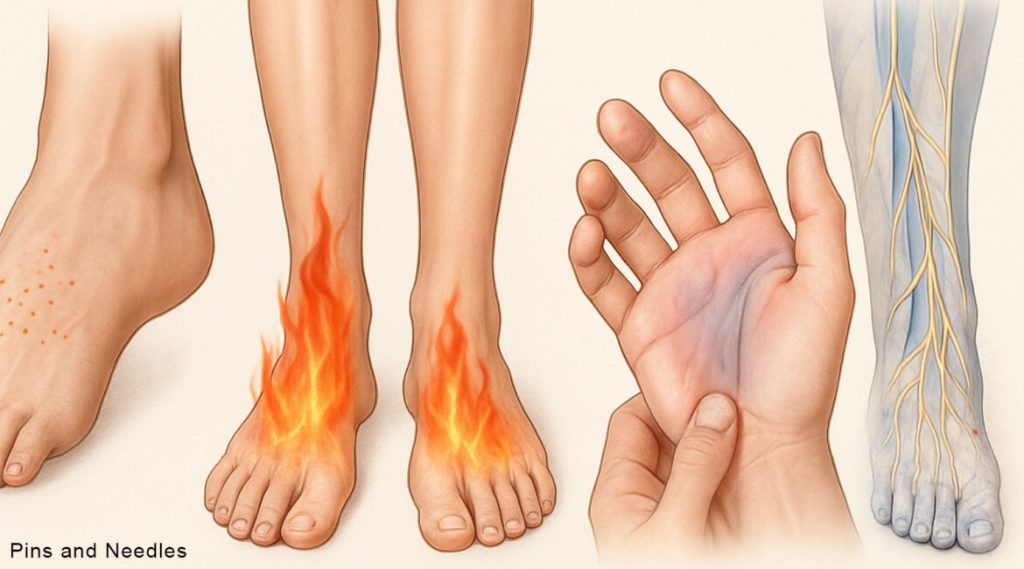
Neuropathy—often referred to as peripheral neuropathy—is a condition that affects millions of people. It develops when the nerves outside the brain and spinal cord become damaged or irritated, leading to symptoms such as numbness, tingling, burning pain, muscle weakness, and loss of coordination. These symptoms can appear in the feet, legs, hands, and arms, and they often worsen over time if not addressed. Many patients describe neuropathy as “pins and needles,” “walking on hot sand,” or “a constant buzzing feeling.”
While neuropathy is commonly discussed in medical settings, many people are unaware of how chiropractic care can support nerve health and help manage discomfort by improving spinal alignment, circulation, and overall nervous system function. Understanding the root causes of neuropathy is the first step toward finding effective, natural solutions.
One of the most well-known causes of neuropathy is diabetes. Chronically elevated blood sugar levels damage the small blood vessels that supply the nerves. Over time, the nerves become deprived of oxygen and nutrients, leading to burning, numbness, and nerve degeneration.
This type of neuropathy, known as diabetic neuropathy, often begins in the feet and progressively moves upward. Chiropractic care does not treat diabetes directly, but it can help improve nerve function, reduce inflammation, and support better mobility—making it easier for patients to adopt healthier lifestyles.
The spine plays a central role in nerve health. When vertebrae become misaligned (a condition known as subluxation), they can irritate or compress nearby nerves. This can lead to symptoms similar to neuropathy, such as tingling, numbness, or weakness in the arms or legs.
Common spinal issues that contribute to neuropathy-like symptoms include:
A chiropractic evaluation helps identify whether nerve irritation originates in the spine. Chiropractic adjustments restore proper alignment, reduce nerve pressure, and improve communication between the brain and body.
Healthy nerves require proper blood flow to supply them with oxygen and nutrients. Poor circulation—often caused by sedentary lifestyles, heart-related conditions, smoking, or vascular issues—can lead to nerve damage over time. When circulation diminishes, the nerves in the extremities are affected first, leading to symptoms like coldness, numbness, cramping, or weakness.
Chiropractic adjustments, along with therapeutic exercises and lifestyle recommendations, can help improve circulation by enhancing mobility, reducing muscular tension, and encouraging healthy nerve function.
Certain nutrients are essential for nerve health, especially B vitamins (B1, B6, B12), vitamin D, and essential fatty acids. Deficiencies often develop due to poor diet, digestive issues, medication side effects, or chronic stress.
When the body becomes deficient in these nutrients, the nerves begin to malfunction, leading to neuropathic symptoms. Chiropractic offices often support patients with nutritional guidance to promote nerve healing and reduce inflammation.
Inflammation plays a major role in nerve damage. Conditions such as autoimmune disorders, arthritis, chronic stress, or poor lifestyle habits can cause inflammation that irritates or breaks down nerve tissue.
Inflamed tissues create pressure around nerves and disrupt normal nerve signaling. Chiropractic care helps reduce inflammation by restoring proper movement to joints, improving circulation, and supporting healthier nervous system regulation.
Injuries are another common cause of neuropathy. Car accidents, falls, workplace injuries, and sports accidents can all damage nerves directly or indirectly. Even old injuries that healed incorrectly can create long-term nerve irritation.
Examples of injury-related neuropathy include:
Chiropractic adjustments, soft tissue therapy, and corrective exercises can help restore function in these cases by improving alignment, reducing nerve compression, and promoting healing.
Certain chemicals and medications can damage nerve tissue, leading to neuropathy. These include:
While chiropractic care cannot remove toxins from the body, it supports overall health, mobility, and nerve communication, which may help patients manage symptoms more effectively.
As people age, their nerves naturally become more vulnerable to damage. Blood vessel walls may stiffen, circulation may weaken, and the spine may degenerate due to years of wear and tear. Conditions like spinal stenosis—narrowing of the spinal canal—become more common with age and often cause neuropathy symptoms.
Chiropractic care helps maintain mobility and reduce nerve irritation, allowing aging patients to stay active and enjoy a higher quality of life.
Several daily habits can contribute to neuropathy:
These factors restrict blood flow, increase inflammation, and strain the spine—all of which negatively affect nerve health. Chiropractors often work with patients to identify and correct these lifestyle contributors.

Schedule your evaluation at Black Swan Chiropractic today and take the first step toward targeted neuropathy relief and improved nerve health.

How Chiropractic Care Supports People With Neuropathy
While chiropractic care does not cure neuropathy, it plays an important supportive role by:
Many patients experience reduced symptoms, improved mobility, and a better quality of life through regular chiropractic care.