

Pinched nerves are a common source of pain and discomfort that many patients seek Chiropractic care for. A pinched nerve occurs when surrounding tissues—such as bones, muscles, discs, or ligaments—apply excessive pressure to a nerve. This pressure disrupts normal nerve function and can lead to symptoms like sharp pain, numbness, tingling, burning sensations, or muscle weakness. Pinched nerves can occur anywhere in the body, but they are particularly common in the neck, lower back, shoulders, and extremities. Understanding why pinched nerves happen is essential for proper treatment, long-term relief, and preventing further irritation of the spine and soft tissues.
A pinched nerve, also known as nerve compression or nerve entrapment, occurs when a nerve becomes irritated or compressed by surrounding structures. Nerves branch off from the spinal cord and travel throughout the body, carrying signals to and from the brain. When these nerves are compressed, it disrupts communication and causes a wide range of uncomfortable symptoms.
From a Chiropractic perspective, pinched nerves frequently stem from underlying structural or alignment issues within the spine. When vertebrae shift out of their natural position—a condition known as a subluxation—they can put pressure on nearby nerves, creating pain that may radiate into the arms, legs, shoulders, or hands.
Pinched nerves have several potential causes, many of which relate to mechanical stress, poor posture, or spinal misalignment. Below are the most common reasons patients experience nerve compression.
Posture plays a major role in spinal health. Modern lifestyles—especially long hours spent working at a computer or looking down at phones—place significant strain on the neck and back. Forward-head posture, rounded shoulders, and slouching can shift vertebrae out of alignment, leading to nerve irritation. Over time, poor posture weakens muscles, tightens soft tissues, and increases the likelihood of pinched nerves, especially in the cervical (neck) and upper thoracic spine (upper back).
Chiropractors frequently see pinched nerves caused by spinal misalignments. Subluxations occur when vertebrae move slightly out of place, putting pressure on nearby nerves. These misalignments can result from everyday activities or sudden trauma such as:
Correcting spinal subluxations with chiropractic adjustments is one of the most effective ways to reduce nerve pressure and restore proper function.
Between each vertebra is a soft disc that acts as a cushion. When discs become damaged or weakened, they can bulge or herniate outward. This protrusion often presses directly onto spinal nerves, causing sharp, radiating pain. Herniated discs are a common cause of sciatica, arm pain, neck pain, and lower back pain. Chiropractic care can help reduce disc pressure, improve spinal mobility, and create a healthier environment for disc healing.
Overused or tight muscles can compress nerves, especially in areas like the neck, shoulders, and hips. For example:
Inflammation from overuse, stress, or minor injuries can also narrow the space around a nerve, creating additional pressure and discomfort.
As people age, wear and tear on the spine can cause structural changes. Conditions like osteoarthritis, bone spurs, degenerative disc disease, and facet joint dysfunction can reduce the space available for nerves to pass through. When the protective structures of the spine break down, nerves become more vulnerable to compression. Chiropractors help manage these degenerative conditions by improving joint mobility, reducing inflammation, and supporting healthy spinal alignment.
Repetitive motions—common in jobs involving typing, lifting, assembly work, or sports—can irritate nerves over time. Repetitive movements may cause swelling, muscle tightness, and inflammation around nerves, especially in areas like the wrists, elbows, and shoulders. Conditions such as carpal tunnel syndrome often develop through repetitive strain.
Pinched nerve symptoms vary depending on the location and severity of the compression. Common symptoms include:
These symptoms may come and go or worsen over time if the underlying cause is not treated.
Chiropractic treatment is one of the most effective, drug-free ways to relieve pinched nerve symptoms because it targets the cause rather than just the symptoms. Chiropractic care helps by:
Spinal adjustments restore alignment, relieve nerve irritation, and allow the body to heal naturally.
Chiropractic care restores proper joint motion, reducing stiffness and improving flexibility. At Black Swan Chiropractic the body responds immediately by increasing how nerves interact with muscles.
Once the vertebrae are set to their neutral position, the surrounding muscles and ligaments also relax and recover quicker. In addition, soft-tissue therapy helps release muscle tension and reduces inflammation around irritated nerves.
Dr. Manny is very passionate about posture training to help patients maintain a healthy spine long-term. This is an actual skill that can gradually be improved upon with phenomenal and lasting results.
Proper spinal alignment reduces stress on discs and prevents further bulging or herniation. There are plenty of lifestyle improvements that can be made to support disc health. Our clients are always happy to know that most of these tips and tricks are FREE.
Early chiropractic intervention often prevents pinched nerves from turning into chronic pain conditions, making it an essential step toward long-term relief.

Schedule your evaluation at Black Swan Chiropractic today and start your journey toward effective pinched nerve relief and long-term spinal wellness.
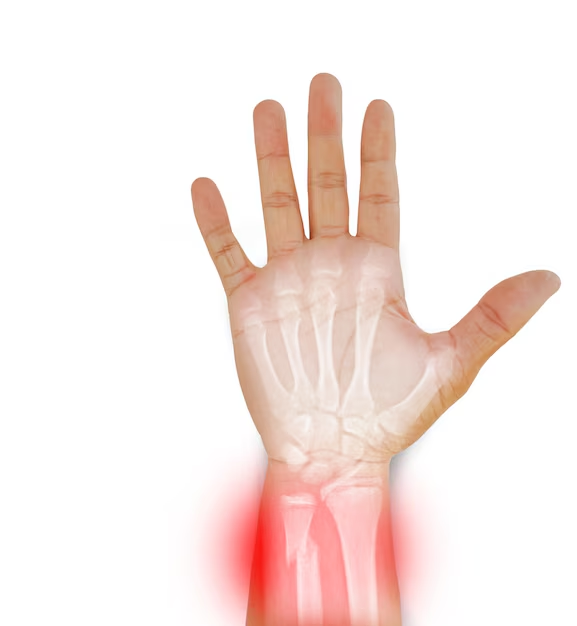
Pinched nerves are painful, frustrating, and often disruptive to daily life. Whether the compression is caused by poor posture, spinal misalignment, muscle tension, or degenerative changes, addressing the root cause is key. Chiropractic care provides a safe, natural, and highly effective solution for relieving nerve pressure, restoring mobility, and improving overall spinal health.
If you’re experiencing numbness, tingling, or sharp pain that may be caused by a pinched nerve, Dr. Manny can help you get to the source of the problem and begin your path to recovery.