
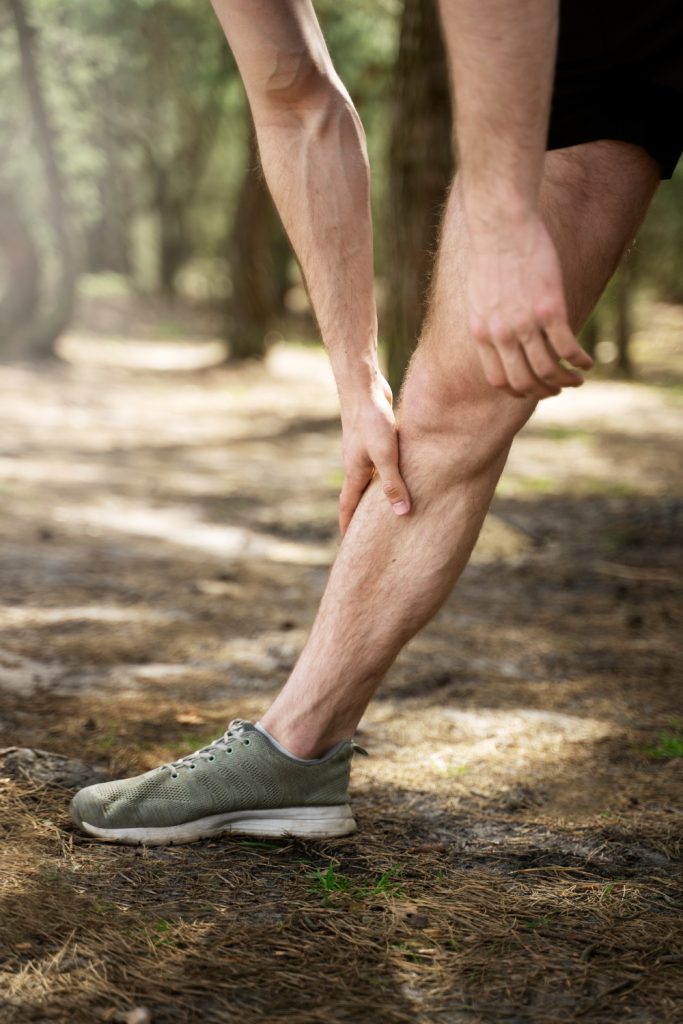
Sprains and strains are among the most common musculoskeletal injuries people experience, and they can affect anyone—from athletes to office workers to busy parents. While these injuries may seem minor at first, they can lead to persistent pain, stiffness, and reduced mobility when left unaddressed. At Black Swan Chiropractic our clients are educated on the subject and understand why sprains and strains occur. Unparalleled care, guidance and education is essential for preventing recurrent injury and restoring optimal function.
This guide explains the causes of sprains and strains, the differences between them, the lifestyle factors that put people at risk, and how Dr. Manny’s care supports recovery and long-term wellness.
Although often used interchangeably, sprains and strains are two distinct types of soft-tissue injuries:
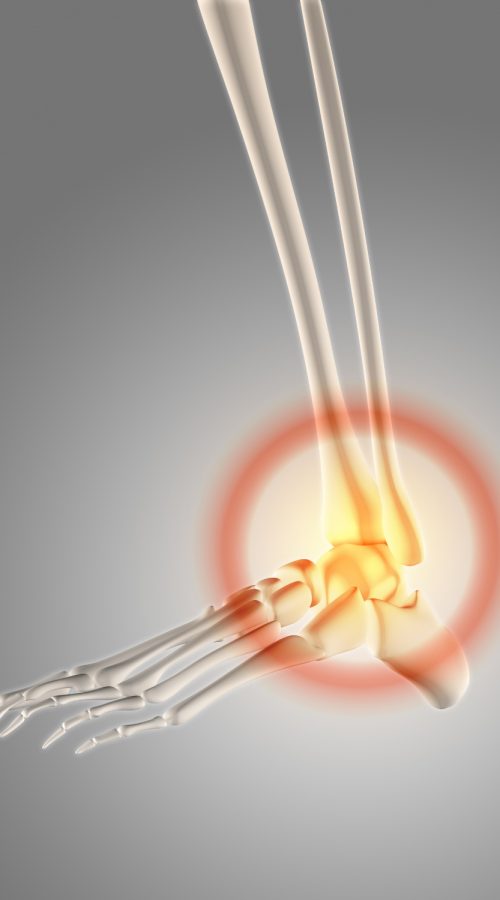
A sprain involves the stretching or tearing of ligaments, the tough bands of tissue that connect bone to bone. Sprains most commonly occur in the ankles, knees, and wrists, especially during sudden twisting or impact.
A strain involves the stretching or tearing of muscles or tendons, which attach muscle to bone. Strains are especially common in the lower back, hamstrings, shoulders, and neck.
Both injuries cause inflammation and discomfort, but the underlying tissues affected—and the severity—can vary widely.
Sprains and strains develop for many reasons, and often the cause is a combination of physical stress, biomechanical imbalance, and environmental factors. Below are the most common contributors.
One of the most common reasons for sprains and strains is acute injury, such as:
When the body is forced into an unnatural position or absorbs a sudden impact, the soft tissues stretch beyond their normal limits, causing injury.
Many sprains and strains develop gradually over time. Repetitive movements place constant micro-stress on muscles, tendons, and ligaments. Overuse injuries are common in:
Overuse leads to fatigue of the supporting muscles, making the tissues more vulnerable to injury during everyday activities.
Poor Posture and Body Mechanics
Improper posture places chronic strain on the body. When joints are misaligned or muscles are over-engaged to compensate for poor positioning, sprains and strains become more likely. Examples include:
These positions weaken certain muscles and overstress others, eventually leading to soft-tissue injuries. Our posture protocols are truly amazing and are a big reason for our overall success.
When some muscles are too tight and others are too weak, the joints they support become unstable. This instability makes sprains and strains far more likely during even simple activities like walking or bending.
Common imbalances include:
At Black Swan Chiropractic a thorough and sophisticated analysis reveals these imbalances and addresses them through targeted adjustments, soft-tissue therapy, and corrective exercise.
Muscles and connective tissues that are stiff or inflexible cannot respond effectively to sudden movements or changes in direction. Limited flexibility increases injury risk during:
Dr. Manny is passionate about this component of his practice, he includes easy and effective mobility work to reduce stiffness and restore proper movement patterns.
When the body is tired, it cannot stabilize itself properly. Fatigue decreases:
This leads to a higher occurrence of sprains and strains, especially during physical work, workouts, or long days on the feet.
A past sprain or strain weakens the affected tissues. Without proper rehabilitation, the soft tissues may heal improperly or remain unstable, making repeat injury more likely.
Common examples include:
At Black Swan Chiropractic our care focuses on identifying underlying misalignments and weaknesses that cause these recurring injuries.
Spinal and joint misalignments (subluxations) alter the biomechanics of the body. When joints are misaligned, surrounding tissues are forced to work harder, increasing strain and risk of injury.
Misalignments can result from:
Dr. Manny’s adjustments restore proper joint movement, reducing unnecessary stress on muscles, tendons, and ligaments.
As people age, changes in tissues make sprains and strains more likely:
Black Swan Chiropractic have specific and effective protocols which helps improve mobility and maintain safer movement patterns as the body ages. Lasting wellness and longevity is something that is often missed by most clinics. We offer education that will ultimately create a great amount of value for life.
Lack of physical activity weakens the muscular system, making sprains and strains more common during even simple actions like walking, bending, or lifting.
Sedentary living leads to:
Chiropractors often see sprains and strains in people who do “weekend warrior” activities after long periods of inactivity. We have an answer for this demographic as well. Just a few simple lifestyle enhancements will help our “warriors” achieve their goals with confidence.
Schedule your evaluation at Black Swan Chiropractic today and begin your path toward safe, effective recovery and long-term soft-tissue health.

Black Swan Chiropractic care is highly effective for diagnosing, treating, and preventing sprains and strains. Dr. Manny uses a combination of:
By addressing the root causes—not just the symptoms—Dr. Manny helps patients heal more quickly and reduces the likelihood of recurring injuries.