Rotator cuff injuries are one of the most frequent causes of shoulder pain and dysfunction, affecting people of all ages and activity levels. The shoulder is the most mobile joint in the body, and while this mobility allows for incredible range of motion, it also makes the joint more vulnerable to strain, instability, and soft-tissue damage. The rotator cuff—four muscles and their tendons that stabilize the shoulder—plays a crucial role in every overhead, lifting, reaching, or rotational movement. When these tissues become overworked, irritated, or damaged, the result is pain, weakness, limited mobility, and often a significant reduction in quality of life.
Chiropractic care plays an essential role in addressing the root causes of rotator cuff injuries because the shoulders are deeply interconnected with the spine, posture, and nervous system. Below is an explanation of why people get rotator cuff injuries and how Black Swan Chiropractic care helps patients recover naturally.
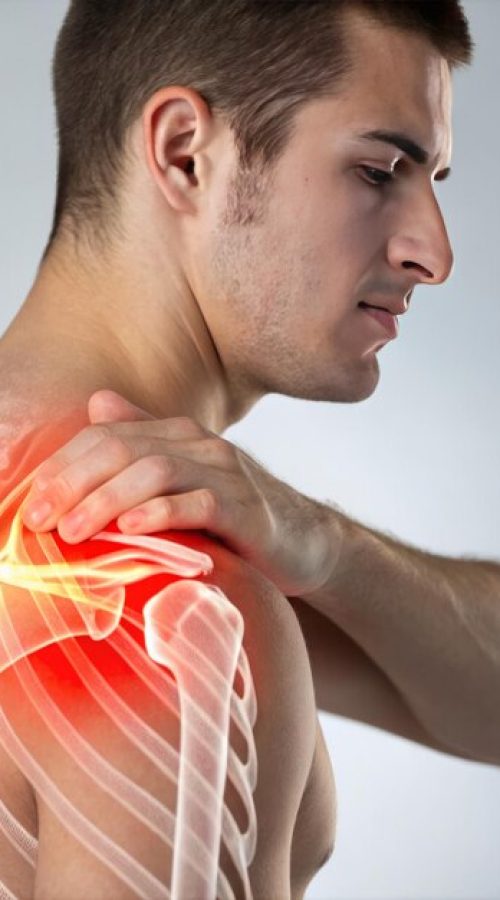
The rotator cuff is made up of four muscles: the supraspinatus, infraspinatus, teres minor, and subscapularis. Together, they keep the shoulder joint stable by holding the head of the humerus (upper arm bone) firmly inside the shallow socket of the scapula (shoulder blade). These muscles and tendons allow for a wide range of shoulder movements, including lifting, rotating, and reaching overhead.
Because the shoulder joint depends so heavily on soft-tissue support, it is extremely susceptible to overuse injuries, tears, inflammation, and instability. When the rotator cuff becomes irritated or damaged, even simple daily movements—such as reaching into a cabinet or lifting a small object—can become painful or impossible.
There is rarely a single cause of a rotator cuff injury. Most patients experience shoulder problems due to a combination of lifestyle factors, repetitive stress, posture issues, age-related degeneration, and joint misalignment. Below are the most common reasons people develop rotator cuff injuries.
One of the primary causes of rotator cuff injuries is repetitive motion, especially when it involves lifting arms overhead. Occupations like painting, carpentry, construction, stocking shelves, hair styling, and mechanical work place ongoing stress on the shoulder joint. Athletes—including swimmers, baseball players, tennis players, weightlifters, and volleyball players—are also at high risk.
Over time, repetitive overhead motions cause micro-tears, inflammation, and weakening of the rotator cuff muscles. Without rest or proper conditioning, these tissues become vulnerable to larger tears or chronic dysfunction.
Poor posture is one of the most overlooked causes of rotator cuff injuries. Rounded shoulders, forward head posture, and upper-back slouching shift the shoulder joint out of its natural alignment. This posture shortens the chest muscles, weakens the upper back, and increases strain on the rotator cuff.
When the thoracic spine or cervical spine is misaligned, the shoulder blade cannot move properly. This leads to scapular dyskinesis—abnormal shoulder blade movement—which increases friction, stress, and tension on the rotator cuff tendons. Chiropractic adjustments help correct spinal alignment, supporting healthier posture and reducing unnecessary shoulder strain.
A sudden force, fall, or direct blow to the shoulder can cause an acute rotator cuff tear or strain. Common scenarios include:
Acute injuries may cause immediate pain, swelling, bruising, and loss of shoulder function. Even minor trauma can worsen underlying posture problems or trigger inflammation that leads to more serious rotator cuff damage if not treated promptly.
As people age, the tendons of the rotator cuff naturally become weaker and less elastic. Reduced blood flow to the shoulder area also slows healing. Adults over age 40 are far more likely to experience rotator cuff tears due to wear and tear alone.
Degenerative rotator cuff injuries can happen gradually, often starting with mild soreness or stiffness that eventually progresses into chronic pain, reduced shoulder strength, and difficulty lifting even light objects. At Black Swan Chiropractic we help improve shoulder mechanics, reduce joint stress, and support healthy movement patterns that minimize further degeneration.
The rotator cuff must work in harmony with the muscles of the upper back, chest, and neck. When certain muscles become weak (often the stabilizing muscles of the shoulder blade) and others become overactive (such as upper trapezius or chest muscles), imbalance occurs. These imbalances place excessive pressure on the rotator cuff and increase the risk of injury.
Common muscle imbalances include:
Dr. Manny addresses these imbalances through adjustments, soft-tissue therapy, and corrective exercises that restore healthy movement patterns.
The shoulder joint depends on precise coordination between the humerus, scapula, and thoracic spine. If any part of this chain is not functioning properly, the rotator cuff suffers. Issues like scapular winging, improper lifting mechanics, or instability in the shoulder joint itself can cause excessive strain.
Joint instability may result from previous injuries, genetic factors, repetitive stress, or even hypermobility. Over time, the rotator cuff is forced to compensate, leading to overuse and breakdown.
Shoulder impingement is one of the most common underlying causes of rotator cuff pain. It occurs when the space between the upper arm bone and the acromion (part of the shoulder blade) becomes reduced. This narrowing causes the rotator cuff tendons to become pinched with each movement, leading to:
At Black Swan Chiropractic our adjustments to the spine and shoulder are very sophisticated, they help restore proper joint alignment, reducing impingement and allowing tendons to move freely. Our protocols are vastly different when compared to the simple and ineffective adjustments most Chiropractors perform.
Rotator cuff injuries may produce a variety of symptoms, including:
Symptoms often appear gradually, making early Chiropractic assessment crucial to prevent worsening damage.
At Black Swan Chiropractic our athletes and regular clients are amazed at the vital role we play in diagnosing and treating rotator cuff injuries. We address the root causes rather than just masking the symptoms. Dr. Manny’s knowledge and care helps by:
Adjustments to the cervical spine, thoracic spine, and shoulder joint reduce strain on the rotator cuff and improve biomechanics. Our secret protocols to keeping shoulders in balance and functioning optimally is an experience that is second to none.
The methods at Black Swan Chiropractic promote natural healing and reduce inflammation without relying on medications.
Manual therapy, soft-tissue work, and mobilization and a variety of other secret techniques help restore normal movement patterns for our athletes, elderly….no matter the age, we have a solution for you.
Posture correction helps reduces chronic stress on the rotator cuff and supports long-term shoulder health. However, there are so many different and effective modalities that are included in our office that are not seen or experienced anywhere else.
Dr. Manny prescribes the appropriate exercises for any client in order to balance the shoulder muscles and prevent reinjury.
Schedule your evaluation at Black Swan Chiropractic today and begin your journey toward effective rotator cuff healing and long-term shoulder stability.

Rotator cuff injuries are common but highly treatable when addressed early. Whether caused by poor posture, repetitive motion, trauma, muscle imbalances, or age-related degeneration, the underlying issue is often mechanical—and Dr. Manny targets exactly that. By restoring alignment, improving movement, and supporting the body’s natural healing process, Black Swan Chiropractic treatments helps patients experience lasting relief and improved shoulder function.