

Whiplash is one of the most common yet misunderstood injuries seen in chiropractic clinics. It typically occurs when the neck is rapidly forced backward and then forward, most often during auto accidents, sports collisions, physical trauma, or sudden falls. Although many people associate whiplash with “just a sore neck,” the effects can be widespread, long-lasting, and severely disruptive to daily life. Understanding why whiplash happens and how it impacts the body is essential for early diagnosis, effective treatment, and long-term spinal health.
From a chiropractic standpoint, whiplash is far more than a temporary muscle strain—it’s an injury that can affect the spine, nerves, muscles, ligaments, discs, and even cognitive function. Below is an explanation of the effects of whiplash injuries and why proper chiropractic care is vital for healing.
Whiplash refers to a sudden acceleration-deceleration force that causes the neck to snap back and forth like a whip. This abrupt movement places excessive strain on the cervical spine (neck), leading to:
Even low-speed impacts—sometimes as slow as 5–10 mph—can generate enough force to cause whiplash. Many people do not feel symptoms right away, which is why it is essential to get examined by a chiropractor after an accident, even if you feel “fine.”
Whiplash affects every patient differently, and symptoms may appear immediately or take hours to days to develop. Some of the most common symptoms include:
Neck pain is the hallmark symptom of whiplash. The sudden trauma can overstretch or tear cervical muscles and ligaments, leading to stiffness, reduced range of motion, and tenderness.
Headaches and Migraines
Cervicogenic headaches often occur due to joint irritation, muscle tightness, or nerve compression in the upper cervical region. These headaches commonly start at the base of the skull and radiate toward the forehead and temples.
Because the neck and upper back work together to support the head, whiplash can easily affect the shoulders, trapezius muscles, and thoracic spine. Pain may feel sharp, achy, or burning.
Damage or inflammation around cervical nerves can cause symptoms such as tingling, numbness, burning, or weakness in the arms or hands.
The force of a whiplash injury can create tension or misalignment in the temporomandibular joint, leading to jaw pain, clicking, or difficulty chewing.
Whiplash can disrupt the structures in the neck that assist with balance, causing dizziness or lightheadedness.
Patients sometimes report difficulty concentrating, memory problems, or feeling “foggy.” These symptoms may stem from nerve irritation, brainstem stress, or chronic pain.
If left unaddressed, whiplash can lead to chronic pain conditions, spinal degeneration, and ongoing discomfort that lasts months or even years. Some of the most significant long-term effects include:
Chronic Neck Pain
Untreated soft-tissue injuries can heal improperly, leading to scar tissue buildup, limited mobility, and persistent pain.
Disc Injuries
Whiplash forces can cause bulging or herniated discs. Disc injuries may not initially present symptoms but can worsen over time if spinal alignment is not corrected.
Spinal Misalignment
When vertebrae shift out of alignment, it places stress on surrounding tissues and nerves. Long-term misalignment can contribute to degenerative disc disease and arthritis.
Nerve Compression
Lingering inflammation or structural dysfunction can compress the spinal nerves, causing ongoing radiating pain, numbness, or muscle weakness.
Post-Traumatic Headaches
Chronic headaches and migraines may develop when cervical structures remain irritated or misaligned following the injury.
If the neck loses flexibility, everyday movements like driving, lifting, or turning the head can become painful and difficult.
Chiropractors are highly trained in diagnosing and treating whiplash injuries. Because whiplash often affects the spine, joints, and nervous system—not just muscles—Chiropractic care is one of the most effective approaches available.
Here’s how chiropractic helps.
Restoring Proper Alignment
Spinal adjustments correct vertebral misalignments caused by whiplash forces. Restoring alignment helps reduce inflammation, improve mobility, and take pressure off nerves.
Reducing Pain and Muscle Spasm
Manual therapy, soft-tissue techniques, and gentle mobilization help improve blood flow, relax tight muscles, and promote proper healing.
Improving Range of Motion
Chiropractic adjustments and targeted exercises help restore flexibility and prevent long-term stiffness.
Enhancing Nerve Function
By relieving pressure on irritated or compressed nerves, chiropractic care helps reduce radiating pain, tingling, and numbness.
Supporting Natural Healing
Chiropractic treatments encourage the body to heal without relying on pain medications, which often only mask symptoms.
Preventing Chronic Pain
Early intervention significantly reduces the likelihood of long-term complications such as chronic neck pain, headaches, or disc degeneration.
You should seek chiropractic evaluation as soon as possible if you experience any of the following after an accident or injury:
Even if symptoms are mild, early Chiropractic care helps diagnose underlying issues and prevents long-term damage.
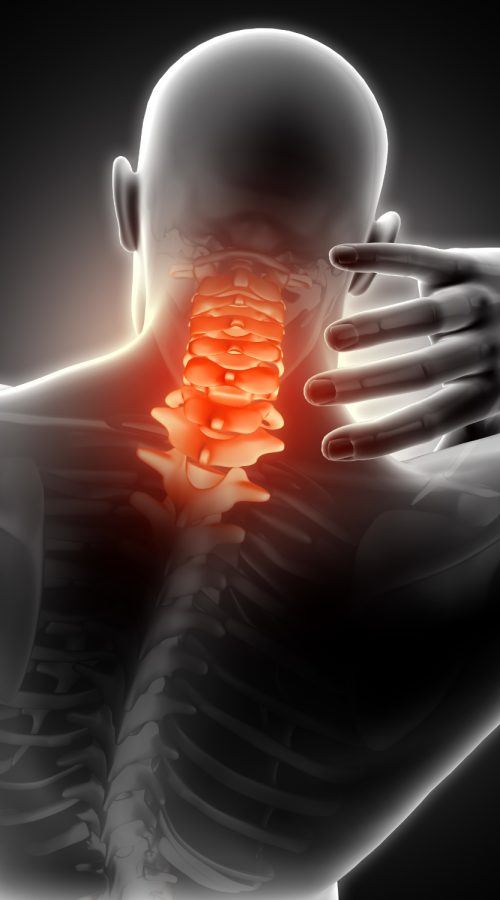
Schedule your evaluation at Black Swan Chiropractic today and begin your path toward effective whiplash recovery and long-term neck health.

Whiplash injuries are more complex than most people realize. They impact not just the neck, but the entire spine and nervous system. Because symptoms can appear gradually and worsen over time, early chiropractic care is essential to avoid chronic pain, improve recovery, and restore healthy function.
At Black Swan Chiropractic, we can provide a personalized plan that includes spinal adjustments, soft-tissue therapy, corrective exercises, and lifestyle recommendations—all of which help support healing and long-term spinal health.
If you’re dealing with neck pain, headaches, or other symptoms after an accident, seeing a Chiropractor is one of the most effective steps you can take toward a full recovery. Dr. Manny has thought out everything for you and is there to guide you so you can get back to feeling your best.